
From Qualified Lead to Signed Client: Fixing the Last Mile of Legal Intake
Verdocs Team
Firms invest heavily in finding and qualifying prospects. The step after qualification deserves the same design attention.
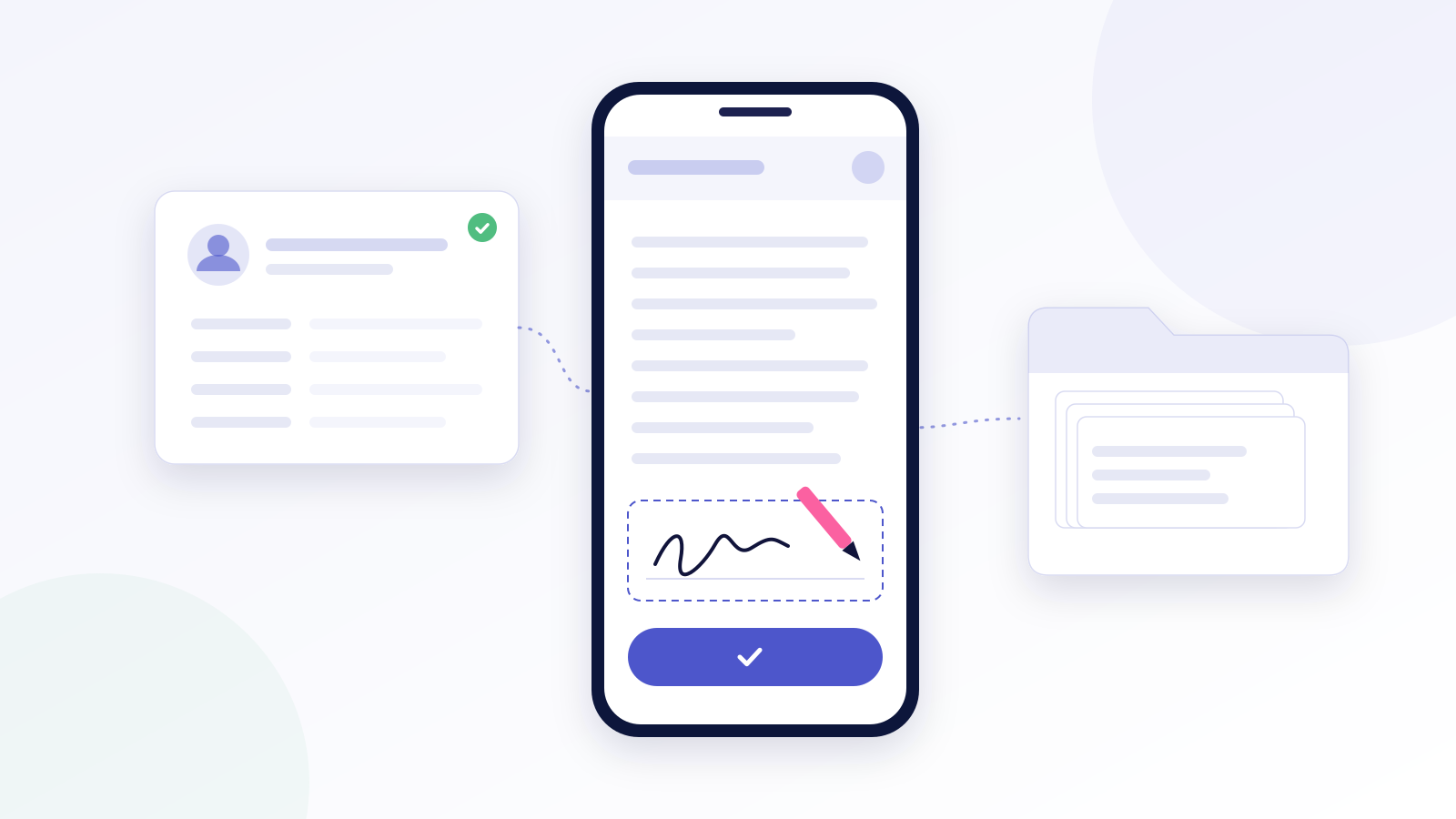
Consider a hypothetical personal injury firm. A prospective client submits a web form after a car accident. The next morning, an intake specialist screens her by phone, and an attorney decides the firm can take the case.
Then the process slows down. The intake specialist retypes the client's name, address, accident date, and fee terms into a Word template, saves a PDF, and uploads it to a separate signing tool. The client gets an email from a sender she doesn't recognize and puts it off. Two days later, someone notices the agreement is still unsigned and calls her. She signs on day four.
The firm has already done the work of attracting and evaluating the prospect. The next bottleneck is getting the engagement agreement reviewed and signed, with a clear handoff into the matter workflow. While that step drags, a qualified prospect waits and staff spend time re-entering data and chasing signatures.
That raises a practical operating question: what happens after a firm decides to accept a matter, but before its engagement paperwork is complete?
Where the last mile breaks
The friction tends to come from a few predictable places:
- Rekeying. Information the client already gave intake gets typed again into the agreement.
- A context switch. The client moves from a conversation with the firm to an email from an unfamiliar sender, often on a phone, with no one to ask.
- No shared status. Intake can't see whether the client opened the agreement, started it, or stalled.
- Manual handoff afterward. Once the agreement is complete, someone downloads it, files it, and updates the matter by hand.
The paperwork matters for more than speed. Under ABA Model Rule 1.5(c), a contingent fee agreement "shall be in a writing signed by the client." States adopt their own versions of the rules, so firms should confirm what applies to them. A signed engagement agreement also isn't the only way a lawyer-client relationship can form; the ABA's Business Law Today notes that the relationship "does not depend upon the existence of a signed engagement letter." This article is about completing the firm's engagement process well, not about when representation begins.
The same case, with a better last step
The intake platform already holds the client's details from the screening call. When the attorney records the decision to accept the case, after the firm's conflict check and acceptance criteria are complete, the platform generates the engagement agreement from the firm's approved template. The client's details fill in from the intake record. The fee terms come from the template the firm set for that practice area and are locked during signing.
The client reviews the request on her phone inside the firm's intake experience, under the firm's name. If the firm needs a medical records authorization for this matter, it can be included in the same session, so she doesn't get a second request later. The firm still decides what that authorization must contain.
When the client submits her signature, the workflow moves to any required firm countersignature. Once all required participants have completed their steps, the platform retrieves the finalized agreement and certificate, files them with the matter, and starts the firm's remaining onboarding tasks. Signing-status events help intake identify requests that need follow-up.
Who does what
Connected to intake data and matter-management workflows, embedded signing can eliminate duplicate entry, surface signing status, and automate filing of completed agreements. The signing component presents the document for the client to review and collects signatures; the surrounding application maps the data, displays status, and determines what happens next.
The firm's people still own the conflict check, the decision to accept the case, the fee terms, and answers to the client's questions. Whether a particular document can be signed electronically, and with which identity checks, is a question for the firm's jurisdiction and counsel.
Implementation considerations
- Field mapping. Define which fields each template requires and block sending when required information is missing or inconsistent.
- Template ownership. Decide which template applies by practice area and state, and who in the firm owns each one.
- Signing order. Decide whether the firm countersigns and in what sequence.
- Exceptions and follow-up. Define what happens on a decline, an expired request, or a failed identity check, and who calls the client.
- Sender identity. Send under the firm's name and domain.
What to measure
- Time from acceptance decision to completed agreement, as a median and at the slow end.
- Completion rate within one day and within seven days of sending.
- Staff touches per completed engagement, including follow-up calls and resends.
- Drop-off point: how many clients opened the agreement but didn't finish.
- Corrections: agreements resent because of a data error.
Compare similar practice areas and lead sources where possible. Compare results with a baseline so the firm can distinguish faster signing from changes in lead quality or intake staffing.
Where Verdocs fits
Verdocs gives law firms and legal software providers the signing components to build this experience inside their own platforms. Agreements can be prefilled from connected intake data, presented under the firm's brand, and tracked through signing events. The surrounding application can use those events to retrieve completed documents, update the matter, and trigger follow-up.
Firms retain control over engagement terms, acceptance decisions, and client communication. Verdocs supplies the signing infrastructure within that process.
Start with one engagement workflow. Measure how long it takes, where clients pause, and how many times staff touch the agreement. Those observations will show where connecting intake and signing can make the biggest difference.
Want to connect signing to your intake workflow? Talk with Verdocs about embedding engagement agreements in your firm or platform's client experience.